France Luxury PropertyFrance
From Cap d'Antibes to the Haute-Savoie, France offers more distinct ways to own a life than anywhere else in Europe — and each one asks a different question of the buyer.
International desk — one advisor answers every France inquiry
France is not one market. It is four or five markets that happen to share a currency and a language, and buyers who treat it as a single decision usually waste a year.
The Côte d'Azur is the largest by some distance — 817 properties across the Provence-Alpes-Côte d'Azur region in our current portfolio, concentrated in Cannes, Antibes, Mougins and the Saint-Tropez peninsula. Paris and its western suburbs run close behind: 725 across Île-de-France, of which 475 sit inside the city itself. Inland Provence is a different proposition again — stone, land, and the slower version of the same climate. The Alps are the smallest and the most specific, a market that lives and dies by the season and the lift access.
What unites them is that France has been selling second homes to foreigners for two centuries and the machinery reflects it. The notaire system is slow, formal and genuinely protective of the buyer. Nothing about a French purchase is improvised.
Our job is narrowing. Tell us how you want to spend the time — on water, in a town, at altitude, or behind a gate with land around you — and the map gets small very quickly.
The Life You Actually Live Here
On the Riviera, life is coastal and social: lunch is an event, the boat matters, and the summer has a rhythm the whole coast keeps. Inland Provence trades that for markets, vineyards and a house you actually stay in rather than pass through. Paris is a city apartment used in bursts — theater, food, a base for the rest of Europe. The Alps run on two seasons now, not one: skiing through the winter, then walking, riding and lake swimming through a summer that is quietly becoming the better half of the year for owners.
The Property Landscape
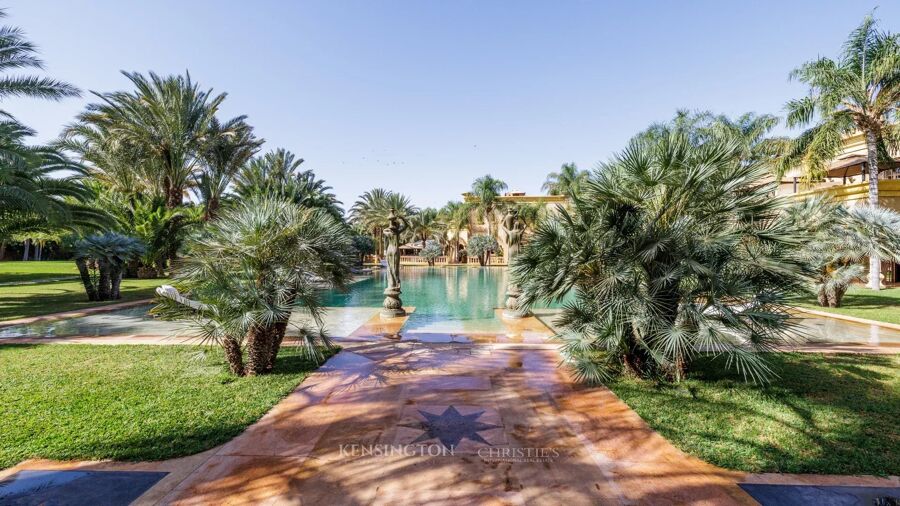
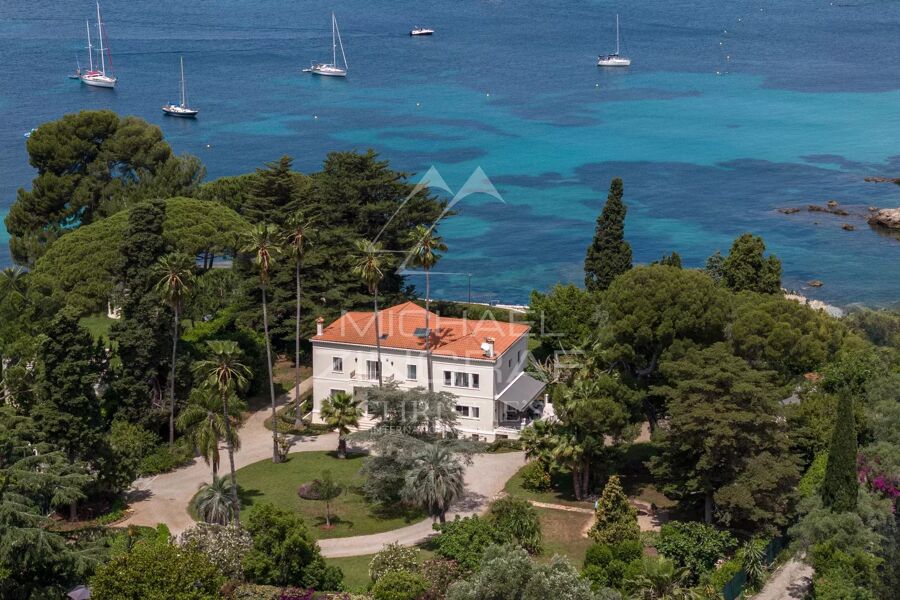
The Riviera sells villas and apartments in roughly equal measure — belle époque villas on the caps, contemporary glass-and-terrace houses in the hills behind Cannes, and seafront apartments in the town centers. Provence sells mas and bastides: stone farmhouses and squared 18th-century houses with land, shade and outbuildings, most of which have been restored at least once. Paris sells Haussmannian apartments where the floor, the light and the ceiling height set the price. The Alps sell chalets, old and new, where ski access is the single biggest value line. Land and view carry the premium everywhere outside Paris.
Practical Notes for Foreign Buyers
France is one of the most procedurally reassuring places in Europe to buy. Purchases run through a notaire, a public officer who handles the searches, the contract and the transfer — the same office often acting for both sides, which surprises buyers used to adversarial conveyancing. The sequence is a preliminary contract, the compromis de vente, followed by the final acte de vente. Non-professional buyers get a statutory ten-day cooling-off period after the preliminary contract, during which they can withdraw without penalty or explanation. Everything else — tax residency, wealth and succession rules, letting rules — belongs with independent counsel, and our advisors will make that introduction before you commit.
- Homes for sale
- 2,338
These are the properties in our own feed, not a network-wide total, and they move every night. All information is deemed reliable but not guaranteed and should be independently reviewed and verified.
Inside France
Homes for sale in France
Our France listings are not published on this page yet
They are live in our search today, and a specialist can send the current shortlist - including the homes that never reach a public page.
Buying in France
Can a foreign buyer own property in France?
Yes. France places no nationality restriction on property ownership, and non-residents buy on the same terms as residents. Ownership and residency are entirely separate questions, though — owning a French house gives you no automatic right to live in France full-time. Ask us early if long stays are part of the plan and we will introduce you to counsel who handles it.
What is the compromis de vente, and can I change my mind after signing it?
The compromis de vente is the preliminary contract that fixes the price and terms and binds both sides, subject to conditions. Non-professional buyers then have a statutory ten-day cooling-off period, running from the day after they receive the signed contract, in which they can withdraw with no penalty and no reason given. After that window closes, withdrawing has a cost.
Do I need my own lawyer if the notaire is handling it?
Not necessarily, but many international buyers appoint one anyway. The notaire is a public officer responsible for the legality of the transfer rather than an advocate for either side, and a single notaire commonly acts for buyer and seller. If your situation involves tax residency, financing, a company structure or succession planning, take independent advice — our advisors will make the introduction.
Côte d'Azur or Provence?
Water or land, essentially. The Riviera gives you the sea, the airport, the social season and the strongest short-term letting market, at the highest price per square meter. Inland Provence gives you space, olive trees, privacy and a house that suits being lived in for months rather than weeks. Buyers who plan to spend real time in France often end up inland on their second purchase.
Ask about France
Coast, city, countryside or altitude — tell us which one you are actually after. A Christie's International Real Estate advisor will reply personally with a shortlist, not a search results page.
We reply to every inquiry personally. No automated drip, no list sale.