Portugal Luxury PropertyPortugal
From the Algarve's golf coast to the granite streets of Porto, Portugal is where European buyers go when they want the sun without the pretence.
International desk — one advisor answers every Portugal inquiry
Portugal is a market people fall for on the second trip, not the first. The first visit sells the light and the water. The second is when the practical picture arrives — how quickly you can be here from most European capitals, how straightforward the professional trades are to deal with, how much of the country still feels genuinely foreign rather than staged for arrivals.
That combination has made Portugal the busiest desk in our international portfolio. We currently track 1,771 Portuguese properties, and the underlying data is the cleanest of any market we serve: parish-level detail on effectively every listing. It means we can talk to you about Vilamoura against Almancil, or Foz do Douro against the Gaia beaches, rather than gesturing at a region and hoping.
The country splits cleanly into three buying decisions. The Algarve, where the golf and marina addresses sit and where most non-resident owners land. The Lisbon coast, where Cascais holds the villas and the working-city access. And Porto in the north, colder, greener, more architectural, and increasingly the choice of buyers who found the south too settled.
Tell us which of those three you have already ruled out. That is usually the fastest way in.
The Life You Actually Live Here
The season is long. That is the practical difference between Portugal and most of the Mediterranean — the Algarve is usable outside July and August, which changes what a second home is for. Owners here tend to use their houses in shoulder months, not just high summer. Golf is the organizing principle of the central Algarve. In Cascais it is sailing and the train line into Lisbon. In Porto it is the river, the food, and a city that still runs at its own pace. Days are unhurried without being empty.
The Property Landscape
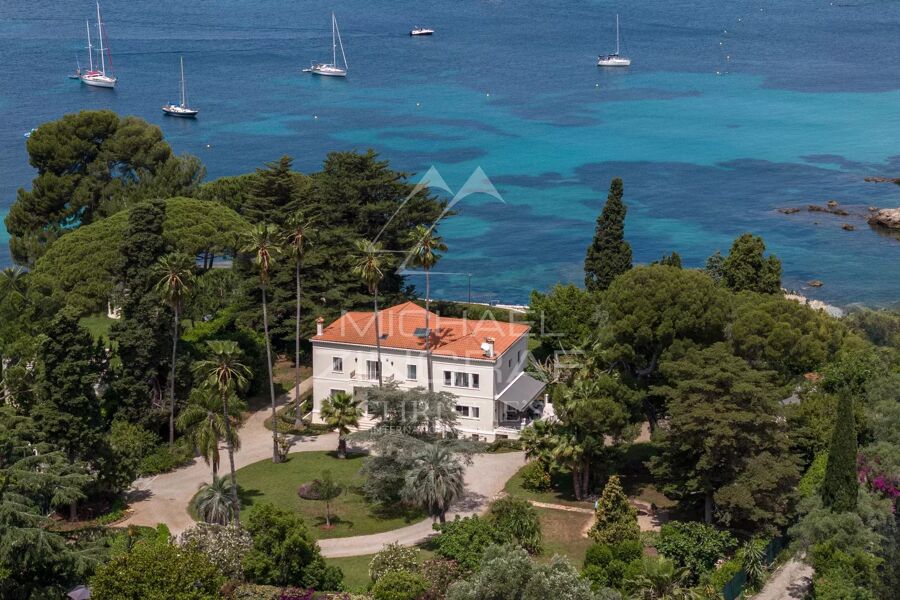
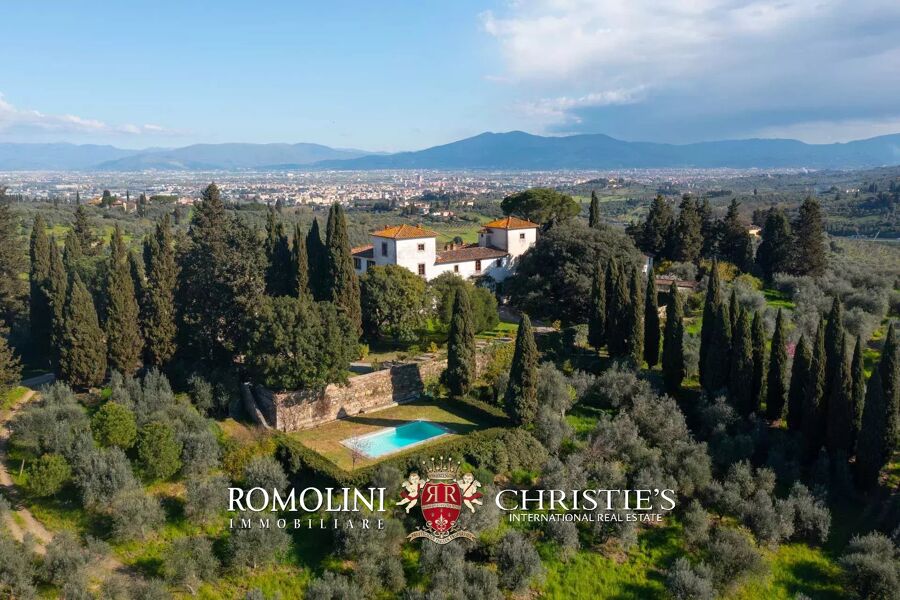
Three shapes dominate. Contemporary villas — white, low, glazed, pool-first — cluster around the golf and marina resorts of the central Algarve and along the Cascais coast. Apartments carry the urban markets: Porto's converted stone buildings, riverfront new-build in Gaia, and the Lisbon-coast towers with terraces facing the Atlantic. Then the older stock: quintas and townhouses in the inland Algarve and the Douro hinterland, often needing work and rewarding it. Coastal new-build sells before completion. Character stock sits longer and negotiates better.
Practical Notes for Foreign Buyers
Portugal is open to non-resident buyers, and the mechanics are well-trodden. A purchase normally moves from a promissory contract (the contrato de promessa de compra e venda, or CPCV) with a deposit, to a public deed signed before a notary. Foreign buyers need a Portuguese tax number to transact. Beyond that, the detail is yours and your lawyer's — residency routes, taxation, and short-let licensing all change, and they change by municipality as well as by year. Our advisors will connect you with independent local counsel before you sign anything. We do not give that advice ourselves.
- Homes for sale
- 1,771
These are the properties in our own feed, not a network-wide total, and they move every night. All information is deemed reliable but not guaranteed and should be independently reviewed and verified.
Inside Portugal
Homes for sale in Portugal
Our Portugal listings are not published on this page yet
They are live in our search today, and a specialist can send the current shortlist - including the homes that never reach a public page.
Buying in Portugal
Can a foreign buyer own property in Portugal outright?
Yes. Portugal does not restrict property ownership by nationality, and non-residents buy freehold on the same terms as residents. You will need a Portuguese tax number before you can transact, which your lawyer arranges. Residency and taxation are separate questions from ownership, and we will put you in front of independent local counsel for both.
How does the buying process actually work?
An accepted offer moves to a promissory contract — the CPCV — signed by both sides, with a deposit paid and the completion deadline fixed. Completion is a public deed signed before a notary, when the balance is paid and title transfers. Between those two points the lawyers do the searches and the paperwork; the gap is usually measured in weeks, not months.
Algarve or the Lisbon coast?
Ask how you will use it. The Algarve is built around leisure — golf, marina, beach — and it is the stronger choice for a house used in bursts through a long season. Cascais and the Lisbon coast work better if the home might one day become the main one, because there is a city, a rail line and a year-round life attached. Porto is the third answer, for buyers who want a place rather than a season.
Can I let the house out when I am not using it?
Sometimes, and it is genuinely worth checking before you count on the income. Short-term letting in Portugal is licensed, and the rules differ by municipality and can differ by building — some condominiums restrict it regardless of what the town permits. Ask us early and we will have local counsel confirm the position for the specific property, in writing, before you commit.
Ask about Portugal
Tell us what you are picturing — the coast, the city, the budget, the timing. A Christie's International Real Estate advisor will come back to you personally, not with a listing dump.
We reply to every inquiry personally. No automated drip, no list sale.