Italy Luxury PropertyItaly
In Italy the view, the land and the village down the road are the asset — the building is what you get to restore.
International desk — one advisor answers every Italy inquiry
Italy sells slowly and rewards patience, and buyers who understand that early have a much better time of it.
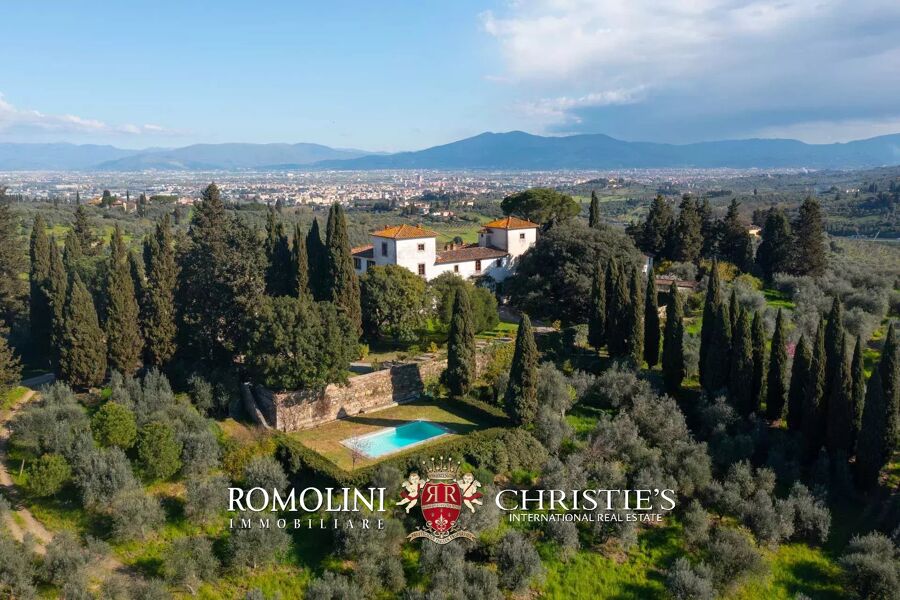
Tuscany dominates. It carries 308 of our 859 Italian properties — more than a third of the country and more than three times the next region — and it is the market most international buyers arrive with in mind. That is not a bad instinct. It has the stone farmhouses, the vineyard land, the hill towns and the airport access, and it has been absorbing foreign owners for fifty years without losing its shape.
What buyers underestimate is everything behind it. Umbria offers a version of the same countryside at a different scale. Sardinia is a coastal market with nothing Tuscan about it. The Dolomites run on winter and a growing summer. Rome, Florence and Venice sell apartments in buildings that predate most countries.
The other thing to know is that Italian houses come with history in the legal sense as well as the romantic one. Title, boundaries, heritage protections and past building permissions all need proper examination — and they are exactly the things a good local lawyer and a proper survey resolve before, rather than after, you commit.
The Life You Actually Live Here
Italy organizes life around the table and the season, and owning here means adopting both. In rural Tuscany and Umbria the week runs on market days, the harvest, and long lunches that end the afternoon. Sardinia is a coastal summer — boats, coves and a season that starts late and finishes hard in September. The Dolomites are skiing and then walking, with an Alpine culture that speaks German as readily as Italian. Cities are for shorter, sharper stays. Owners generally report the same thing: they use an Italian house more than they expected to.
The Property Landscape
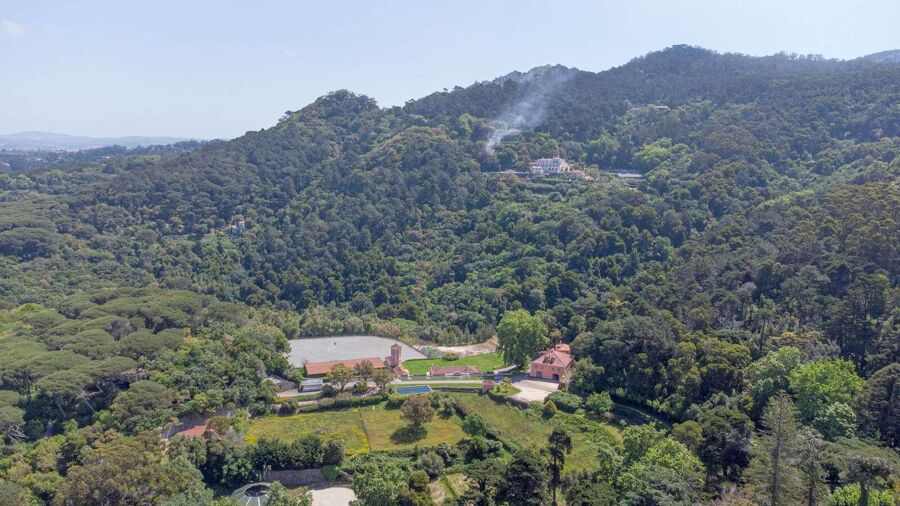
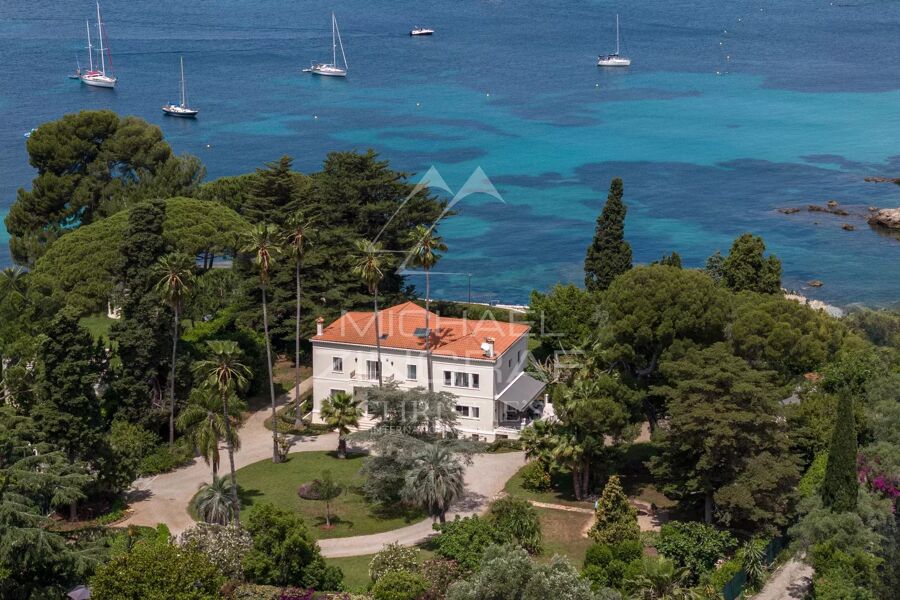
The rural market is restoration stock. Casali and poderi — stone farmhouses with land, olive groves, sometimes vines — come to market in every condition from ruin to fully rebuilt, and the price gap between those states is enormous. Beside them sit the larger estates and the occasional villa or castle with a documented history. Sardinia's Costa Smeralda market is different again: low, stone-clad contemporary villas built for sea views and outdoor living. In the Alps you buy chalets and apartments where ski access sets value. In Rome, Florence and Venice you buy floors of historic buildings, where the ceiling, the frescoes and the outlook price the apartment.
Practical Notes for Foreign Buyers
Italy is open to buyers from the EU, the UK and the US without restriction; buyers of other nationalities may need to satisfy Italy's reciprocity rules or hold a valid residence permit, which is a question to settle at the outset rather than at the deed. Every purchase completes before a notaio, a public officer who verifies title and registry compliance. The usual sequence is a written offer (proposta), then a preliminary contract (compromesso) with a deposit, then the notarial deed (rogito). A foreign buyer needs an Italian tax code, the codice fiscale, to complete. Everything beyond the mechanics — taxes, heritage constraints, building amnesties, letting rules — belongs with independent local counsel, and our advisors will connect you before you sign.
- Homes for sale
- 859
These are the properties in our own feed, not a network-wide total, and they move every night. All information is deemed reliable but not guaranteed and should be independently reviewed and verified.
Inside Italy
Homes for sale in Italy
Our Italy listings are not published on this page yet
They are live in our search today, and a specialist can send the current shortlist - including the homes that never reach a public page.
Buying in Italy
Can a foreign buyer own property in Italy?
Buyers from the EU, the UK and the United States can buy in Italy without restriction. Buyers of other nationalities may need to satisfy Italy's reciprocity rules or hold a valid Italian residence permit, so it is worth settling that question before you make an offer rather than at the deed. Every foreign buyer also needs an Italian tax code, the codice fiscale, to complete a purchase.
How does an Italian purchase actually work?
It runs in three steps. A written offer, the proposta, which locks the negotiation once accepted. A preliminary contract, the compromesso, which sets price, timing and conditions and is accompanied by a deposit. Then the rogito, the notarial deed signed before a notaio, who verifies title and registry compliance and completes the transfer.
Is buying a restoration project a good idea?
It can be, and it is the reason a lot of people buy in Italy — but go in with the survey, the permissions and the builder's numbers in hand, not after. Older rural buildings frequently carry heritage protections, historic planning irregularities or boundary questions that need resolving before completion, and the cost gap between a restored house and a project is wide in both directions. Our advisors will connect you with local counsel and a surveyor before you commit.
Tuscany or somewhere else?
Tuscany is the deepest market we hold in Italy and the easiest to buy and resell in, which is a real advantage. But if what you want is the landscape rather than the address, Umbria delivers something very close with fewer foreign owners and usually more land for the money. If you want water rather than hills, Sardinia is a different country altogether and a better coastal product. Tell us which of those three you are drawn to and we will narrow it fast.
Ask about Italy
Farmhouse, coastline, chalet or a floor of a palazzo — tell us which, and roughly when. A Christie's International Real Estate advisor will come back to you personally with a shortlist worth reading.
We reply to every inquiry personally. No automated drip, no list sale.