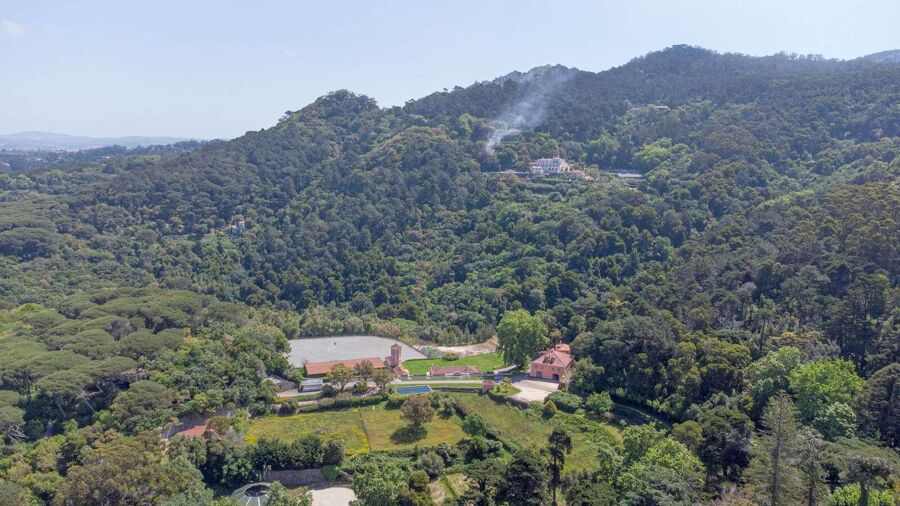
Vilamoura – Loulé · Quinta do Lago · Lagos
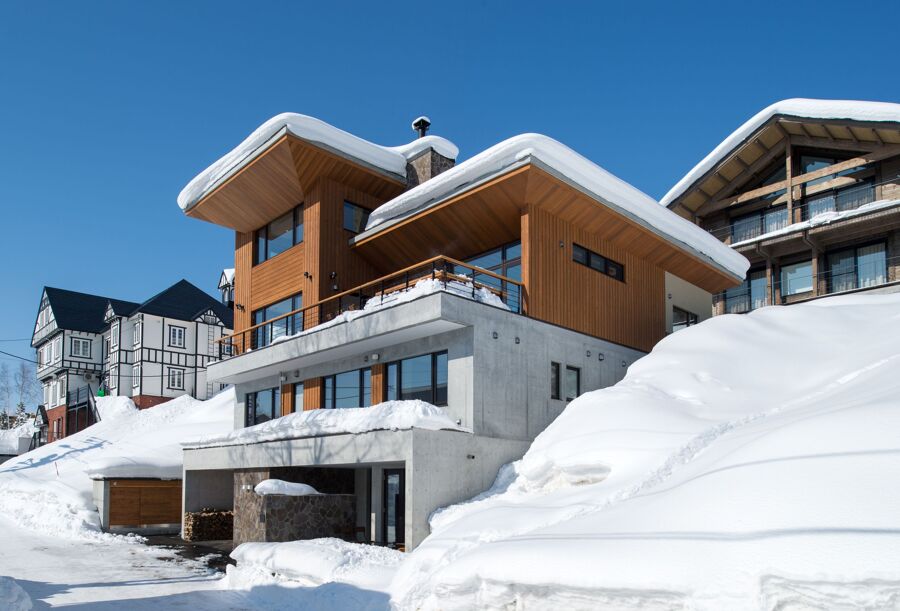
78 Japanese properties, all for sale and weighted toward Hokkaido's snow country — a boutique book held through Christie's International Real Estate affiliates.
International desk — one advisor answers every Japan inquiry
Japan has quietly become one of the most interesting second-home markets in the world for international buyers: freehold ownership is open to foreigners without residency requirements, and the country's build quality and service culture are without real rival.
In our own book the case is strongest in the mountains, and by a wide margin. Hokkaido's ski country — Niseko, Kutchan, Furano and Rusutsu — accounts for the large majority of the Japanese properties we hold, because that is where a genuine international ownership scene has been built, complete with the management infrastructure to support absentee owners properly. Tokyo is the smaller, second half: a global city on par with London or New York, where a central-ward apartment does a different job entirely.
Our network carries 78 Japanese properties, a boutique book that suits how this market actually works: selectively, and with local guidance on everything from property age conventions to earthquake standards, both of which shape value in ways foreign buyers rarely expect. In most of the world a building gains character with age; in much of Japan it depreciates on a schedule, and the land underneath is the durable asset. Construction standards have also changed in specific, dated steps, and where a building falls relative to those steps is a real value line rather than a technicality. We handle that translation, and we do it before you compare two properties that look equivalent and are not.
Japan is the rare market where the day-to-day is the argument. Service standards are consistent rather than occasional, the transport network makes a car unnecessary in the cities and reliable in the mountains, and the food culture operates at a level that does not require a reservation at the top of it. Tokyo is a city of neighborhoods rather than a single center, and where you own changes your life there more than in most capitals. In the mountains, the season is long and the snow is the reason — but the summer half of the year, with hiking, cycling and onsen towns operating at a fraction of the winter price, has become a genuine second reason to own.
Two markets, almost unrelated. City stock means apartments — in Tokyo, largely in a handful of central wards — where building age, construction standard, management company and floor set the value, and where new frequently does mean better for structural reasons rather than fashion. Resort stock means chalets, houses and condominiums in the mountain towns, where the variables are snow reliability, distance to a lift, land tenure and the quality of the management contract if the property will be let. Renovation of older city stock is possible and increasingly common, but it is a specialist exercise and it should be priced before purchase, not after.
Heading: The market that rewards precision
Subline: City or snow, tell us which Japan you are considering — we will come back with properties and the context to judge them.
Closing band: A country that does things properly. So do we.
These are the properties in our own feed, not a network-wide total, and they move every night. All information is deemed reliable but not guaranteed and should be independently reviewed and verified.
They are live in our search today, and a specialist can send the current shortlist - including the homes that never reach a public page.
Tell us what the house is for and what you have already ruled out. We will tell you what is actually available, including what is not on a public page.
We reply to every inquiry personally. No automated drip, no list sale.